

New York Needs New Ornamental Architecture
My latest for Vital City.

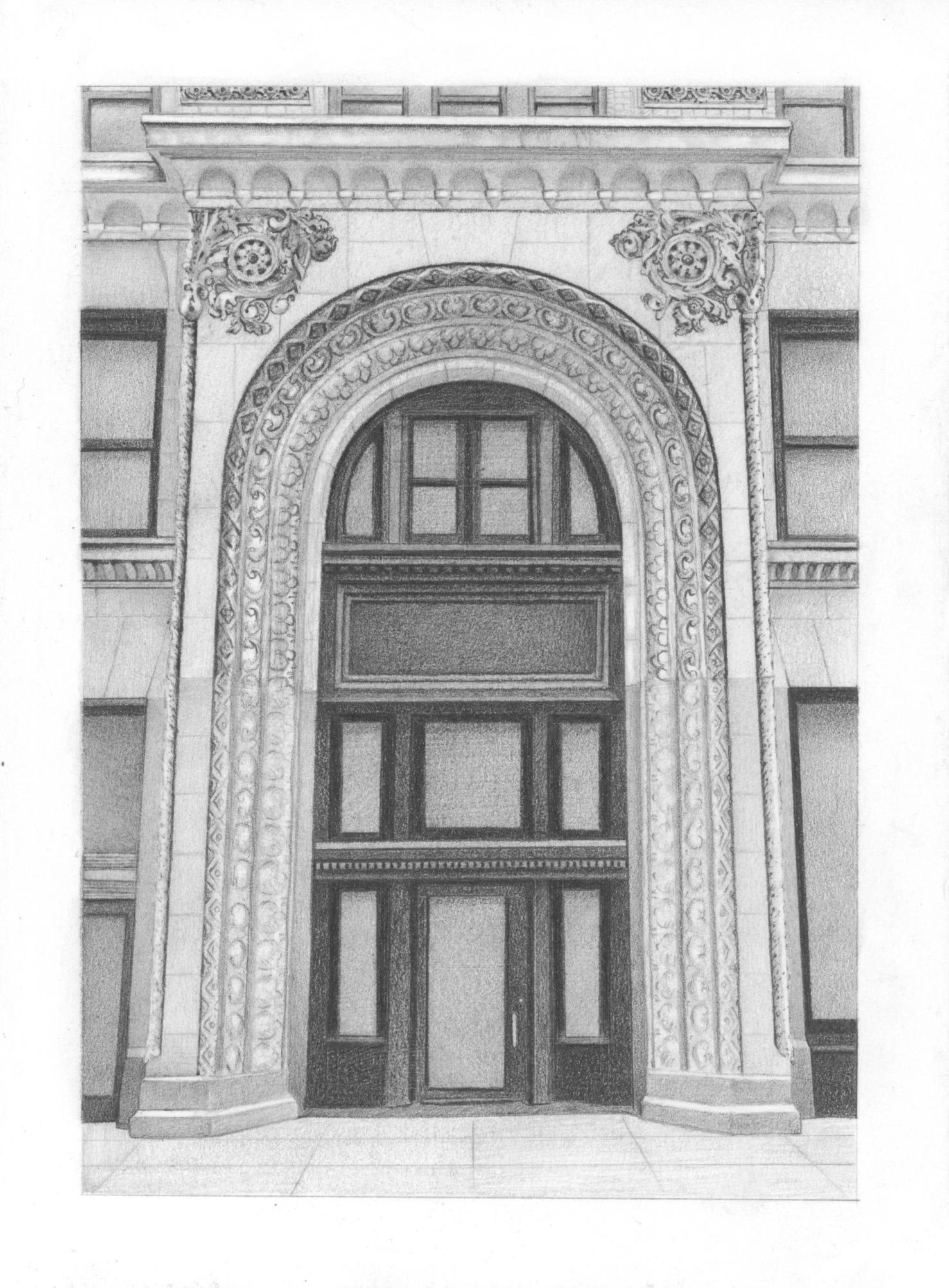
Last week, my latest essay “New York Needs New Ornamental Architecture” came out in Vital City, a journal based in New York seeking to improve civic life. In it, I argue that architectural ornament is part of the human condition, and that New York in particular needs new aesthetics:
New York has always been a city animated by ambition and innovation; this is not the kind of place that should feel like a museum, as does much of Europe. The hallmark of New York architecture — the skyscraper — was born out of dynamism and technological progress, as the invention of elevators and steel skeleton frames led to an entirely new type of architecture. New York would be unrecognizable without these innovations.
Writing for my city felt particularly special. I don’t have a hometown, because I grew up as a “military brat” (a term of endearment for kids who moved every few years between military installations around the world). My upbringing was both highly international and hyper American, just like this city, so it feels like only New York could have become my home. And now I’m raising two children here and can’t imagine ever moving away. If I can help make New York more beautiful, then that will be part of my children’s inheritance.
So when I think about the kinds of buildings I want to design, I dream of skyscrapers.
Towards a New Aesthetic

At the end of last year, Patrick Collison and Tyler Cowen put out "A Call for New Aesthetics." And now I’m delighted to announce that I was awarded a New Aesthetics grant to try to invent a new ornamental style of architecture.
Monumental architecture is one way I’ve been able to experience awe. The first building that made my soul tremble was the Duomo in Florence. I remember how it suddenly popped into view as the narrow, tourist-clogged streets opened up into the piazza, so massive that it seemed like an optical illusion. It was the largest dome in the world when Filippo Brunelleschi built it in 1436. His engineering feat reminds me of businessmen and their architects competing to build the tallest skyscrapers, and I wish New York was still in the game.
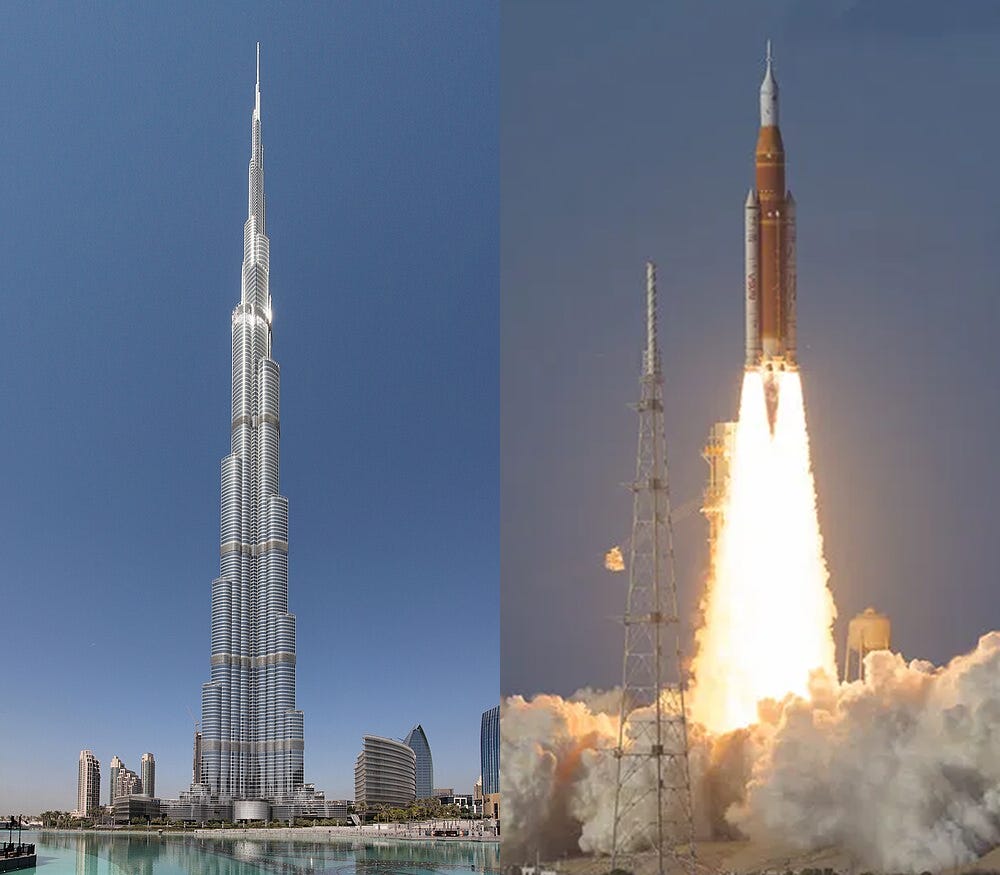
Today the tallest building in the world is the Burj Khalifa in Dubai, although New York still has the most beautiful skyscraper: the Chrysler Building, which was briefly the tallest upon its completion in 1930. In a couple years, when the Saudis complete their kilometer-high Jeddah Tower, I hope our friends in Dubai take umbrage at their neighbor casting a shadow on Burj Khalifa, and build something even taller. Notably, the same Chicago architect, Adrian Smith, designed both buildings; this is fitting, as skyscrapers were invented in Chicago.
Skyscrapers are such optimistic structures. Their purpose is to maximize the number of people living or working together on a parcel of land, to enable human expansion. Paul Ehrlich probably saw skyscrapers in his nightmares.
Beyond the quantity of people they permit, skyscrapers also suggest a stronger quality of human relationships. They require greater trust in their structural integrity to hold you safely at dizzying heights. Anyone who steps into the elevators implies that they trust the people who designed and built the skyscraper with their very life — which was not always the case, as when some New Yorkers in 1902 worried that the newly built Flatiron Building would fall over and crush them, calling it “Burnham’s Folly” (Burnham was the architect).
As skyscrapers have grown taller and taller, they seem like humanity stretching out our fingertips to the stars. The Burj Khalifa even resembles a space launch. Skyscrapers symbolize boundless potential.
But though I adore the idea of building skyscrapers shaped like space launches, the surfaces of contemporary skyscrapers are too smooth. As I wrote in Vital City:
The minimalism of Modernism is inherently limiting, because there’s only so much you can pare down, only so much you can strip off a naked building. At some point you run out of things to take away, with few available combinations to make out of what’s left. The more you subtract, the less complexity is possible — the very complexity that delights people when they look at ornament, because we tend to admire intricate parts coming together to form a cohesive whole. And complexity, in turn, makes variety possible. With enough complexity — with enough potential combinations of visual elements — is there any limit to the number of new aesthetics we might create?
Imagine if New York built a skyscraper taller than anything erected by the Saudi princes, and even more beautiful than our Chrysler Building. Only ornamental architecture could pull that off. At the end of the Vital City piece I asked, “Do we believe that 21st-century New York can look as iconic as 20th-century New York?”
I believe the answer is yes.